

|
Introduction: A Rhinoplasty, is a
cosmetic surgical procedure to change the
shape or size of the nose. One of the most
common plastic surgery procedures, a
rhinoplasty can change the shape of the
bridge or tip, change the angle between the
nose and the upper lip, narrow the span of
the nostrils, help relieve some breathing
problems, and repair an injury or birth
defect. An individual contemplating this
type of surgery must first have a personal
consultation with a plastic surgeon
certified by the American Board of Plastic
Surgery, such as Dr. Shienbaum.
Rhinoplasty candidates: Rhinoplasty
candidates must be over the age of 15 years
to ensure they have completed their growth
spurt. The best candidates are physically
healthy and psychologically stable people
who are looking for an improvement, not
perfection, in the way they look.
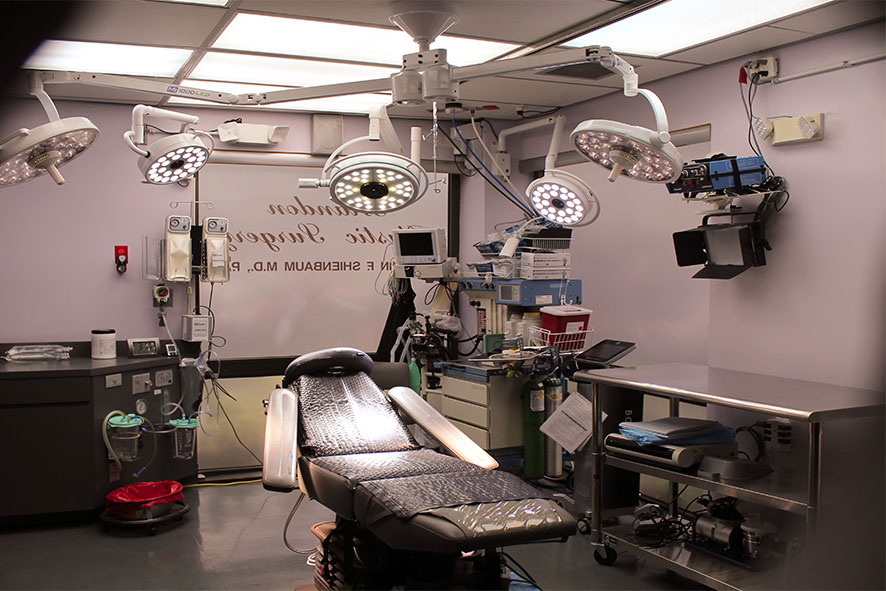
Where your surgery will occur: Minor
rhinoplasty procedures can be performed in
an office setting under local anesthesia
while the majority of rhinoplasty procedures
are performed under anesthesia in an
outpatient facility. The procedure takes
approximately one to two hours but
occasionally may take longer depending on
the extent of the procedure.
Planning your surgery: You will be
given specific instructions on how to
prepare for surgery, such as avoiding
certain vitamins and medications, washing
your face, and guidelines on eating,
drinking and smoking. It is imperative that
you follow these instructions to help your
surgery go smoothly. You will need to
arrange for someone to drive you home after
surgery and to drive to the office the
following day. It is a good idea to have
them prepare to stay with you a couple of
days if needed.
Surgical procedure: Many rhinoplasty
procedures are performed from within the
nose, making the incision inside the
nostrils leaving virtually no visible
scarring. Other cases may require an open
incision. This small incision is placed
across the vertical strip of tissue
separating the nostrils, otherwise known as
the columella. During surgery the skin of
the nose sculpted to the desired shape.
Following surgery: When the surgery
is complete, nasal packs may be placed in
the nostrils to stabilize the septum, the
dividing wall between the air passages. This
will be removed after a few days. Often, a
splint is applied to help the nose maintain
its new shape. Discomfort can be controlled
with pain medication prescribed by the
surgeon. It is common to expect some
swelling and bruising around your eyes. This
reaches a peak after 2 or 3 days, but can be
reduced by applying cold compresses. By the
end of the first or second week all
dressings, splints, and stitches should be
removed.
Healing is a slow and gradual process. The
surgeon will give you specific instructions
on resuming normal activities. Some subtle
swelling may be present for months. Final
results may not be seen for a year or more.
During this time you may experience
unexpected reactions from friends or family
members. They may act resentful if they feel
you've changed an ethnic or family trait. Or
they may say they don't see a major
difference in your nose. If this occurs, try
to keep in mind why you decided to have this
surgery in the first place. If your goals
have been met, then your surgery is a
success. Patience and realistic expectations
are important during this period.
In general, rhinoplasty is considered to be
an effective and safe means for changing the
appearance of the nose and creating a better
balance to the face.
(Back to Top) |